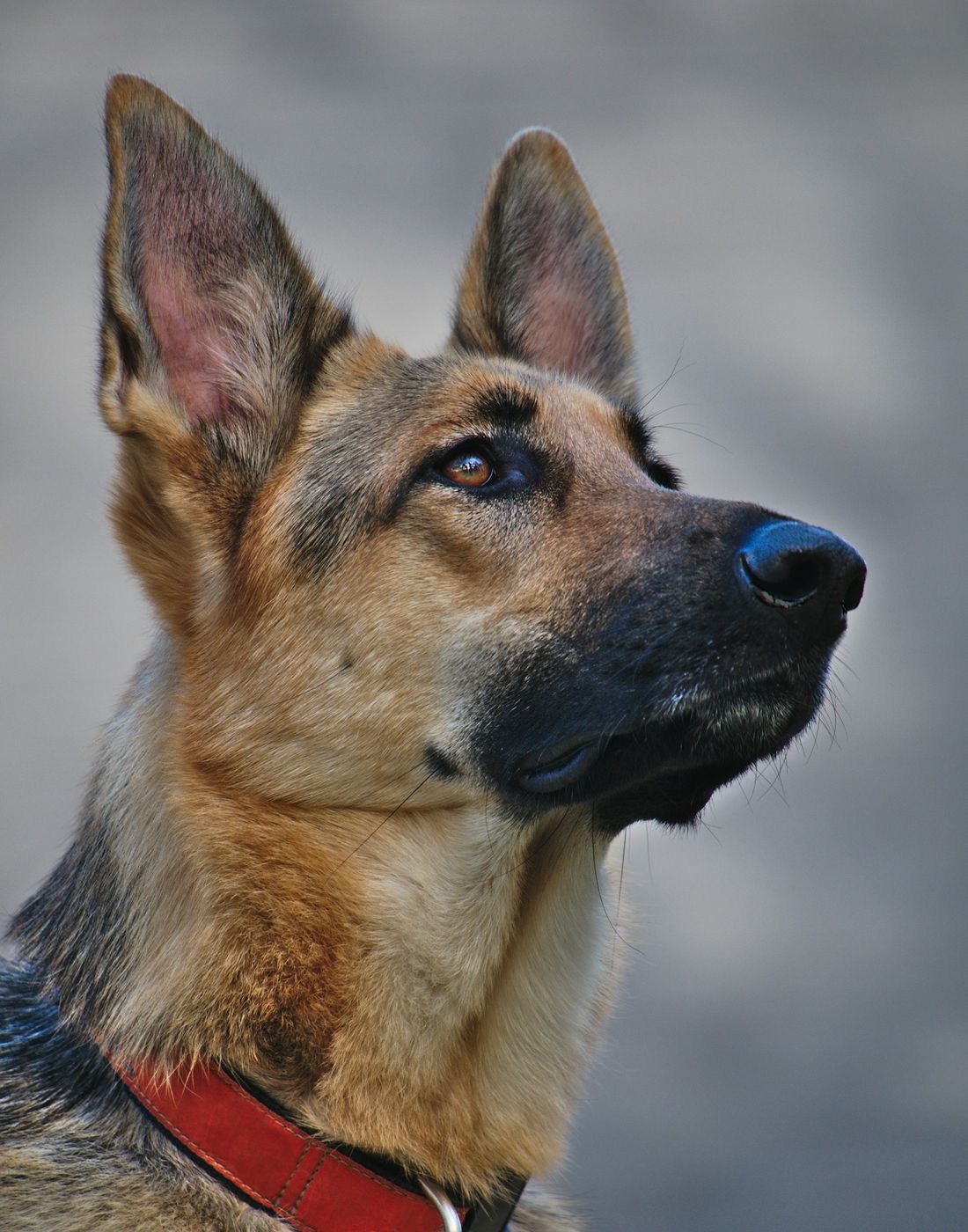
What fair training looks like
Fair training builds willingness. The dog comes across as keen, curious and recovers quickly after effort. Handlers explain what they are doing, take breaks and adjust when a dog shows stress.
Signs a dog is struggling
Yawning, lip licking, avoiding eye contact, a tucked tail, sudden sniffing and shutting down are all signals worth taking seriously. A good trainer notices and changes the plan rather than pushing on.
Transparency questions
- May I watch a full session before I decide?
- How do you handle a dog that is stressed or unsure?
- What equipment do you use, and why?
- How do you decide that a dog is not suited to the sport?
Welfare beyond the field
Good care means veterinary checks, sensible rest, safe housing and a life outside of work. A sport dog is still a dog, and it needs play, sleep and company.
When to leave
If you see fear-based handling, hear promises of quick results, or are told not to ask questions, find another place. Your instincts are a reasonable guide.
General education only. Nothing here replaces hands-on guidance from a qualified, insured trainer or club, and nothing here is legal or veterinary advice. Rules differ by organization and by location.